
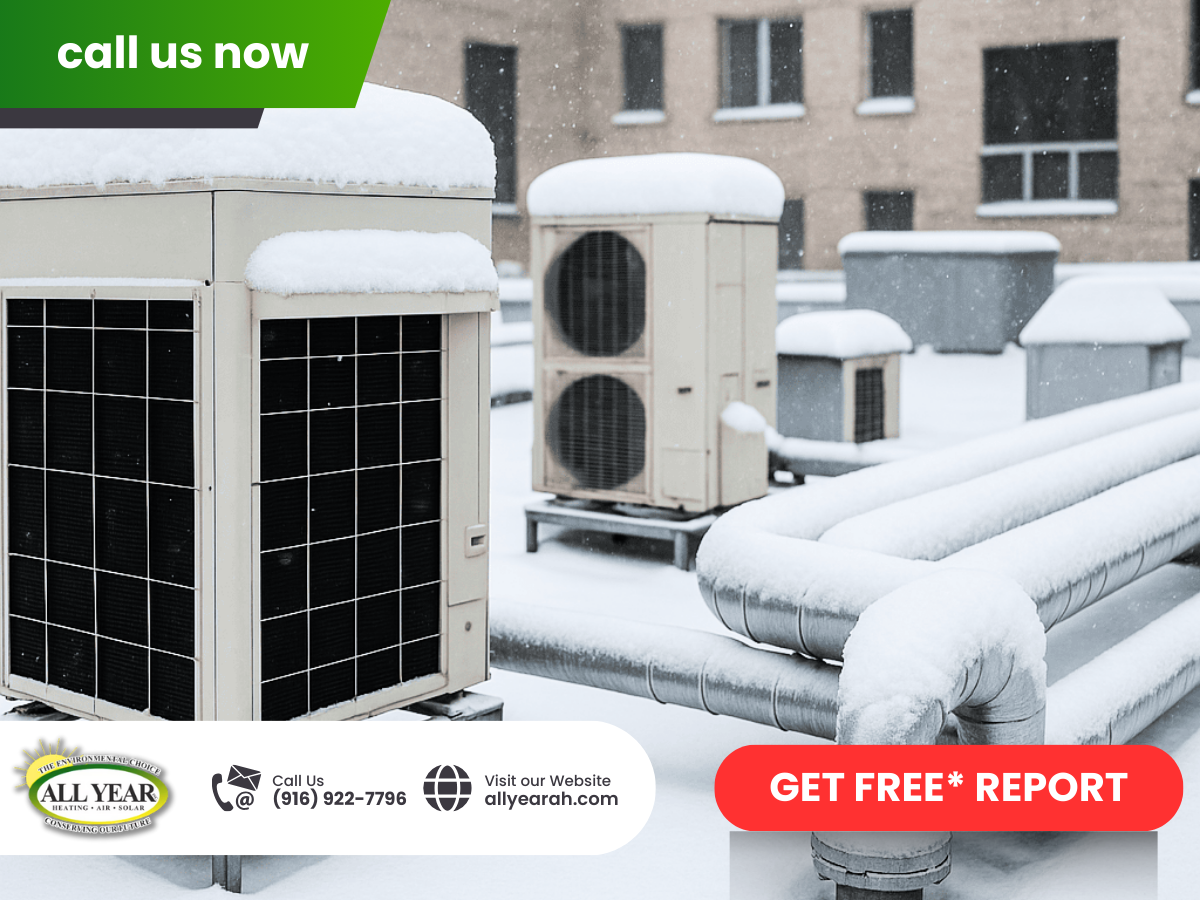
Is Your HVAC System Ready for the Rest of Winter? A January Homeowner’s Heating Checklist
January Is the Turning Point for HVAC Performance
By January, your heating system has already been working hard for weeks. This is when hidden inefficiencies surface and small issues begin to compound.
For homeowners across Northern California, January represents a critical moment: systems that are not properly maintained are far more likely to fail before winter ends.
This checklist is designed to help you evaluate whether your HVAC system is truly prepared for the remainder of the season—and when it’s time to call in a professional.
Step 1: Evaluate Heating Performance, Not Just Temperature
A common mistake homeowners make is assuming that if the house eventually warms up, the system is functioning correctly. In reality, how your system heats matters as much as whether it heats.
Pay attention to:
How long it takes to reach the desired temperature
Whether heat is evenly distributed
Whether the system struggles during colder mornings
Performance inefficiencies in January often worsen as winter continues.
➡ Internal link: Heating Services page
Step 2: Check Airflow and Indoor Comfort
Airflow issues often masquerade as heating problems. Restricted airflow forces your system to work harder, increasing wear and reducing comfort.
January dryness, dust buildup, and closed windows all contribute to airflow challenges that may not be noticeable earlier in the season.

Step 3: Monitor Energy Usage Patterns
Your December report shows strong engagement on service and contact pages, suggesting homeowners are already comparing solutions.
If your energy bills feel disproportionately high compared to previous winters, your HVAC system may be operating inefficiently due to aging components or poor calibration.
Energy monitoring is one of the most overlooked yet valuable diagnostic tools available to homeowners.
Step 4: Listen to Your System—Literally
Unusual sounds often indicate mechanical stress. January is when these sounds become more frequent due to extended system runtime.
Grinding, rattling, or banging noises should never be ignored, especially during cold spells when system failure is most disruptive.
Step 5: Confirm Safety and System Controls
Heating systems involve combustion, electrical components, and safety controls designed to protect your home.
Faulty sensors or control systems can cause:
Short cycling
Unexpected shutdowns
Safety lockouts during peak usage
Professional inspections ensure these safeguards function properly throughout winter.
Why January Maintenance Saves Money Long-Term
Homeowners who schedule HVAC maintenance in January often avoid:
Emergency repair premiums
Expedited part replacements
System downtime during cold weather
Preventive service allows issues to be addressed on your schedule, not during a crisis.
Read more about our Top-Rated Heating Services page
Step 6: Decide Whether This Is the Year to Upgrade
January is also a strategic planning month. Even if your system survives the winter, recurring issues may signal that replacement should be planned rather than postponed.
Planning early allows homeowners to:
Explore energy-efficient options
Budget proactively
Schedule installation during off-peak periods
The Advantage of Working With a Local HVAC Partner
Local HVAC providers understand the specific climate patterns, housing stock, and seasonal demands of Northern California homes.
At All Year Heating & Air Conditioning, our approach focuses on long-term system health, not just short-term fixes.
Your HVAC system doesn’t need to fail for you to take action. January offers a unique opportunity to evaluate performance, address inefficiencies, and ensure comfort through the remainder of winter.
Whether you need a simple tune-up or a full system assessment, taking proactive steps now protects your comfort and your investment.
Make the rest of winter stress-free.
Schedule your HVAC service with All Year Heating & Air Conditioning today.